
Collective Ase members: Tonya Parker, Samuel Gonzalez, Seven Asefeha, Crystal Forman, Empress Lolita Thomas, Diana Marie Lee
What We Carry
We did not arrive empty-handed.
Seven walked 500 miles as a four-year-old, from Barentu, Eritrea toward Khartoum, before finding refuge in Oakland. He learned early that survival requires making space where none exists and has spent his adult life transforming dilapidated buildings into cultural homes for the African Diaspora.
Diana carries five generations of Oakland and a lineage that survived the Klan in Mississippi, walked toward Indian Territory, and helped build Black Wall Street before it was burned from the air. They left a six-figure job to save their own life, and came back with joy as medicine.
Tonya was raised on ancestral land in rural Virginia, no running water, a wood stove for heat, and a community that grew, hunted, worshiped, and survived together. She spent three decades holding space for others before her own reckoning taught her that healers need holding too.
Samuel was born at the crossroads: Black and Indigenous, queer, third-gender, neurodivergent in a world with no language for any of it. They became fluent in translation – building bridges across differences because their own existence required it.
Empress Lolita came up in Los Angeles byway of Chicago inside systems that demanded strength and offered little. She learned that survival alone was never the destination, and has spent over twenty-five years teaching and coaching leaders to close the gap between where they are and where they're called to be.
Crystal grew up in Baltimore understanding that health was never just about food or medicine – it was about access, environment, culture, and whether a community had the power to feed itself.
Six people. Six lineages of refusal. One decision to stop building alone.
What We Built
We began where the need was most immediate: mutual aid. Direct, unrestricted resources moving into the hands of Black leaders in crisis – no applications, no gatekeeping, no proving worthiness to people who had never earned the right to judge.
We built healing infrastructure because we knew from our own bodies what burnout costs. Days of Healing – full days of sound baths, movement, plant-based nourishment, and rest, with practitioners paid fairly for sacred work. Mindful Moments, three times a week, fifteen minutes of collective breath for people carrying too much.
We built across distance. Baltimore and Oakland are not two chapters of the same organization – they are one corridor. Displacement scattered our people; we refused to let it sever us. What we learn in one city strengthens the other.
We built cooperative economics from ancestral practice. The Sou-Sou like model – a rotating savings tradition carried across the diaspora for generations – became our model for circulating capital among our own businesses without interest, without predatory terms, without asking permission from institutions that had already told us no.
And we built relationships — with Alena Museum, Long Live Love Foundation Healing Garden, BlacSpace Cooperative, Sweet Livity, Spiralroot Power Association, and more than thirty Black-led organizations who understand that our futures are bound together.
Why Aṣẹ
For over a year, we planned. We named our values, tested our governance, learned what held and what didn't. And in the last months of that work, we understood that our name no longer fit.
Offline named a refusal. Stepping away from systems that harmed us. It was true, and it was necessary – but it described what we had left, not what we had made.
Aṣẹ is Yoruba. It means the power to make things happen. The life force that turns intention into reality.
The shift is the whole story: from stepping away to standing here. From what we refused to what we are building.
Collective Aṣẹ affirms what we know and what we intend the world to know:
We are here. We exist. We matter. We are not going anywhere.
We are a container for healing and recovery. For remembrance. For restoration. For resurgence. And we hold all of it in the open, boldly, unapologetically, rooted in collective care.
Where We're Going
We are building sovereign, self-regenerating ecosystems where power is reclaimed and shared, resources flow equitably, and Black communities thrive in care, collective freedom, and joy.
That's not an aspiration. It's the work in progress: Sacred Reciprocity running on three engines – the Financial Engine placing sovereign capital directly in community hands, the Intellectual Engine circulating strategy and skill freely among us, the Human Engine keeping our people whole.
Liberation is not granted. It is built.
We are building it.
Aṣẹ.


Collective Ase Members
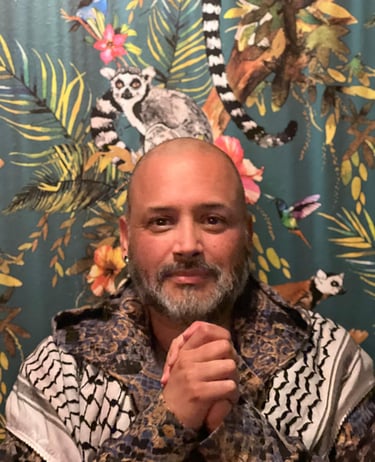
Meet the founders of the various orgs in Collective Ase
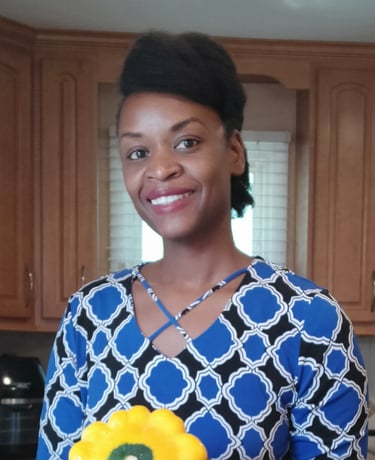
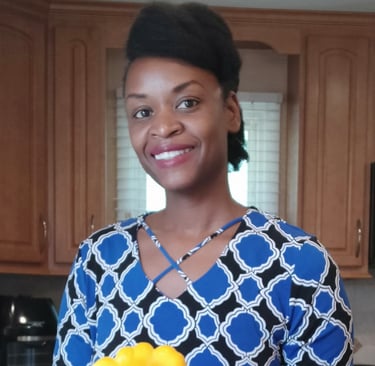
Diana Marie Lee (she/they) is a Black and Cherokee Nation culture bearer, performance artist, and liberation strategist with 30+ years advancing systemic change through restorative HR, healing circles, and community-rooted leadership. As co-founder of Collective Ase and Dismantle Collective, Diana mobilizes Black, Indigenous women, gender-expansive, and LGBTQIA+ community leaders navigating displacement amid Oakland’s housing and employment crisis. Diana is co-leading a $1.5M West Oakland initiative to create mixed-use, community-controlled affordable housing and creative workspace for low-income entrepreneurs, organizers, and artists. As VP at the National Community Development Institute and founder of Sweet Livity, Diana designed capacity-building initiatives supporting 400+ organizations and 2,000 leaders across 45 states building collective power, community wellbeing, and cultural resilience. You can learn more here.
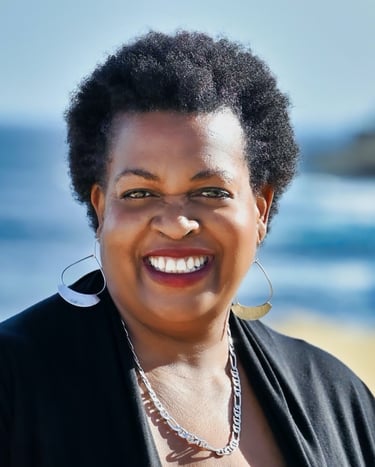
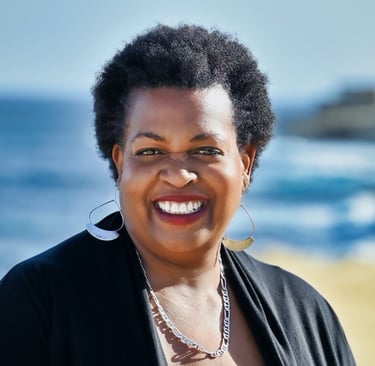
Hager Seven Asefaha (he/him) is a cultural strategist and spatial futurist born in the historic Axum region of East Africa and raised on Ohlone territory, now known as Oakland, CA. Rooted in both Axumite heritage and Oakland’s legacy of Black liberation, Seven’s work fuses spatial development, art activism, and cultural regeneration. He is the founder and creative director of Alena Museum, a nonprofit cultivating multidimensional healing and power-building for the African Diaspora. He also co-founded Culture House Collective, a real estate social enterprise reimagining land use through a justice-centered, futurist lens—beginning with its inaugural project in Atlanta, GA.Website : Alenamuseum.com
Tonya Parker, MEd, Ed.S (she/her) is a Holistic Healer, Teacher, Author, Speaker, and Coach who guides folx in conscious healing through Reiki, Retreats, Restoration work, and ‘Riting. As founder of Mind Body & Soul Food, she supports her clients to release limiting energies, remember their truth, and reclaim their power. Her offerings—including energy healing, spiritual coaching, mindfulness practices, holistic classes and workshops, sacred storytelling and women's circles—support individuals and groups in rewriting narratives rooted in oppression. With over three decades of service, Tonya weaves ancestral wisdom with spiritual insight, helping others reconnect with themselves and each other in ways that nourish, liberate, and transform. Her work centers healing as a path to Black liberation. Find out more at https://www.mbsfood.com.
Empress Lolita Thomas is the founder of WakeUp Now™ and creator of the WakeUp Artist™ movement, a transformative call to reclaim clarity, embody feminine power, and reimagine leadership through the lens of presence. A Master Certified Coach, Master Reiki Practitioner, and trainer in Emotional Intelligence and Mindfulness, she’s spent 20+ years guiding changemakers—from executives to healers—to shift from performance-based leadership into presence-based living. Through coaching, mentoring, and transformational travel, she awakens wisdom and restores sovereignty. Her Feminine Leadership model supports Black liberation by disrupting patriarchal paradigms and empowering individuals to lead with clarity, courage, and truth—rooted in wellness, wholeness, and the sacred power of the inner voice.
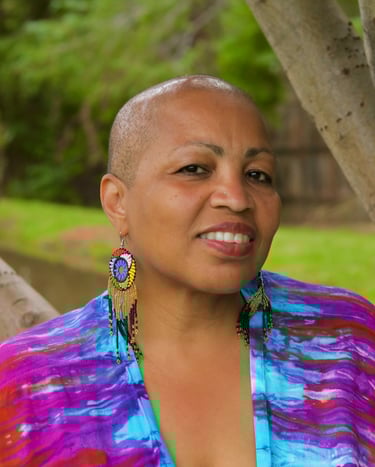
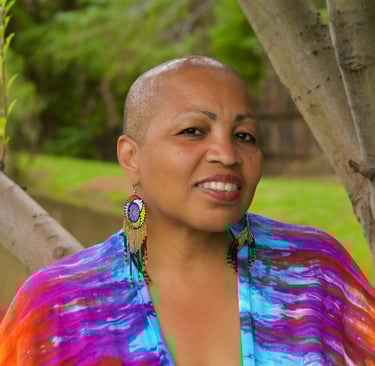
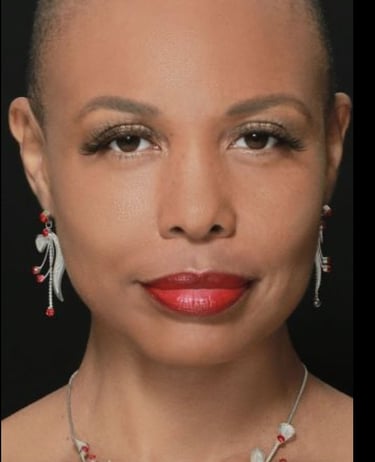
Samuel González (they/them/elle/ellx) is a multidisciplinary artist, facilitator, and organizational strategist whose work lives at the intersections of creativity, healing, and social transformation. Rooted in Queer, Trans, Black, Indigenous, and People of Color (QTBIPOC) communities, Samuel creates spaces where personal liberation, collective wellness, and artistic discovery become possible.
For over 20 years, Samuel has worked alongside low-income communities of color as a coach, trainer, and systems builder—designing equitable processes that strengthen organizations, nurture leadership, and cultivate community empowerment. Their consulting integrates strategic planning, organizational development, digital storytelling, and transformative facilitation, guided by a trauma-informed, culturally expansive approach. Whether leading nonprofit initiatives, training facilitators, or designing creative collaborations, Samuel grounds their work in justice, empathy, and possibility
As an artist, Samuel weaves together photography, writing, sound, movement, and sensory experience to challenge and expand the ways we perceive the world. Samuel’s healing work—including reiki, meditation, dream work, and sound healing—infuses their coaching and facilitation with depth and presence. As a restorative justice circle keeper and certified compassion fatigue specialist, they craft environments where vulnerability, creativity, and repair coexist. Their modalities support individuals and groups in releasing mental fatigue, reconnecting with their bodies, and accessing their own artistic and spiritual wisdom.
Across all their roles, Samuel is committed to helping people and organizations return to their true selves. They invite artists and communities alike to imagine beyond binaries, reclaim Indigenous and diasporic ways of knowing, and explore what becomes possible when we create not for survival, but from the core of who we are.


Collective Ase
Bay Area Address:
935 61st Street, Unit 1
Oakland, CA 94608
Baltimore Address:
6340 Security Blvd. Ste 100 #1022
Baltimore, MD 21207
Baltimore, MD 21207
© 2026. All rights reserved.